


HER Democracy Project | 11–12 June 2026 | Sofia, Bulgaria
What does it mean to have a voice within your own family, yet hesitate to use it when it comes to decisions affecting the wider community? What barriers stop Roma women from participating in public life, and how can these barriers be overcome?
These were among the key questions explored during two safe space meetings organised within the framework of the HER Democracy project, which focuses on promoting the participation, empowerment and leadership of women from minority communities in Bulgaria.
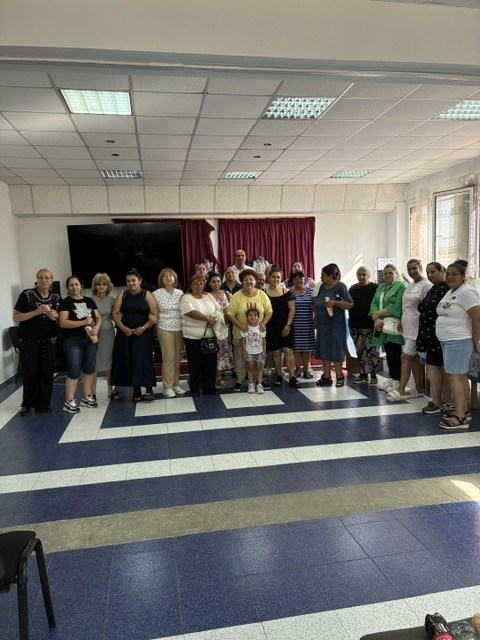
The meetings took place on 11 June 2026 in Fakulteta neighbourhood and on 12 June 2026 in Filipovtsi neighbourhood, both in Sofia. Roma women came together to share their experiences, discuss the challenges they face in their everyday lives and identify community needs and opportunities for change.
The safe space format provided an environment for open dialogue, mutual listening and sharing without fear of judgement.
“Why are we strong at home, but remain silent when it comes to solving community problems?”
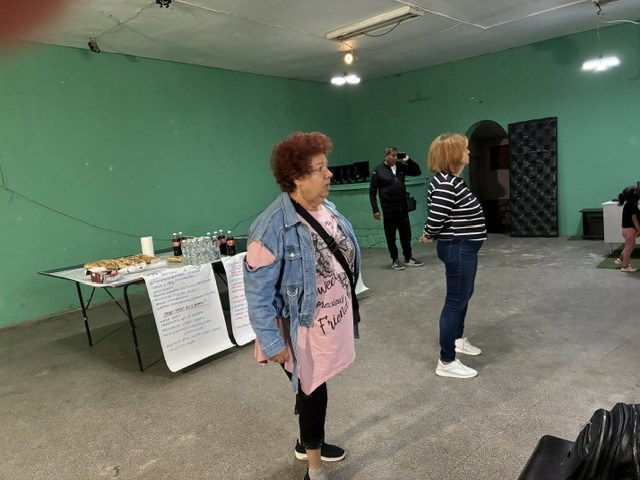
This question emerged as one of the most important reflections during the meeting in Fakulteta neighbourhood. Discussions about decision-making within the family and the wider community highlighted the gap between the responsibilities women take on in their personal lives and their opportunities to influence public decisions.
Participants shared their experiences of the multiple social barriers Roma women face. These include persistent stereotypes about women's roles, expectations that women should primarily be mothers and caregivers, and pressure to conform to male expectations and prevailing social norms. Fear of disapproval or control from within the community can also discourage women from taking an active role in public life.
Alongside these social barriers, participants identified several institutional challenges: limited participation of women in decision-making processes, insufficient information about which institutions are responsible for addressing specific issues, and a feeling that their concerns are not adequately heard by public authorities.
These challenges are further compounded by limited digital skills and access to information, as well as insufficient support for Roma women seeking to take on public and leadership positions.
From everyday challenges to collective solutions
Discussions in Fakulteta showed that women's participation in public life is closely connected to the living conditions of their families and communities.
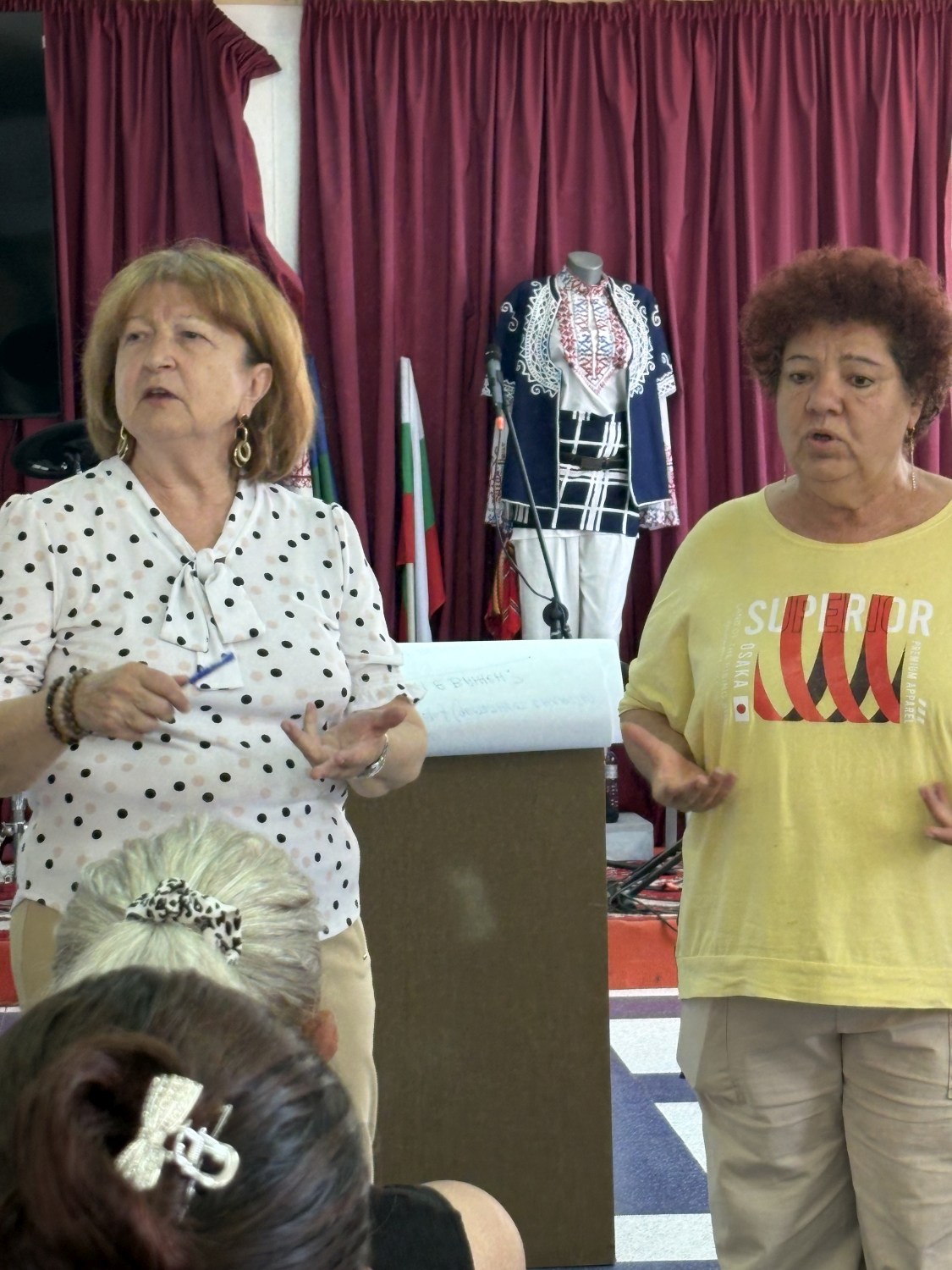
Among the main local concerns raised were waste management, the condition and accessibility of streets, and public transport. Economic and household difficulties were also discussed, as these can further limit women's opportunities to engage in community activities.
Particular attention was given to awareness of citizens' rights and responsibilities. Participants emphasised the importance of women knowing which institution is responsible for addressing a particular issue, understanding their rights and being aware of their responsibilities as citizens.
The discussion also explored the untapped potential of women within the community, the possible role of religious communities as partners, and the importance of bringing women together around shared causes.
One of the key conclusions was that considerable potential for women's leadership already exists within the community, but often remains unrecognised and underutilised. Unlocking this potential requires accessible information, regular meetings, a better understanding of institutions and opportunities for women to work together on concrete local issues.
The meeting in Filipovtsi: building trust, improving access to services and strengthening the community
On 12 June, the discussion continued in Filipovtsi neighbourhood, where participants explored additional challenges affecting Roma women and their families.
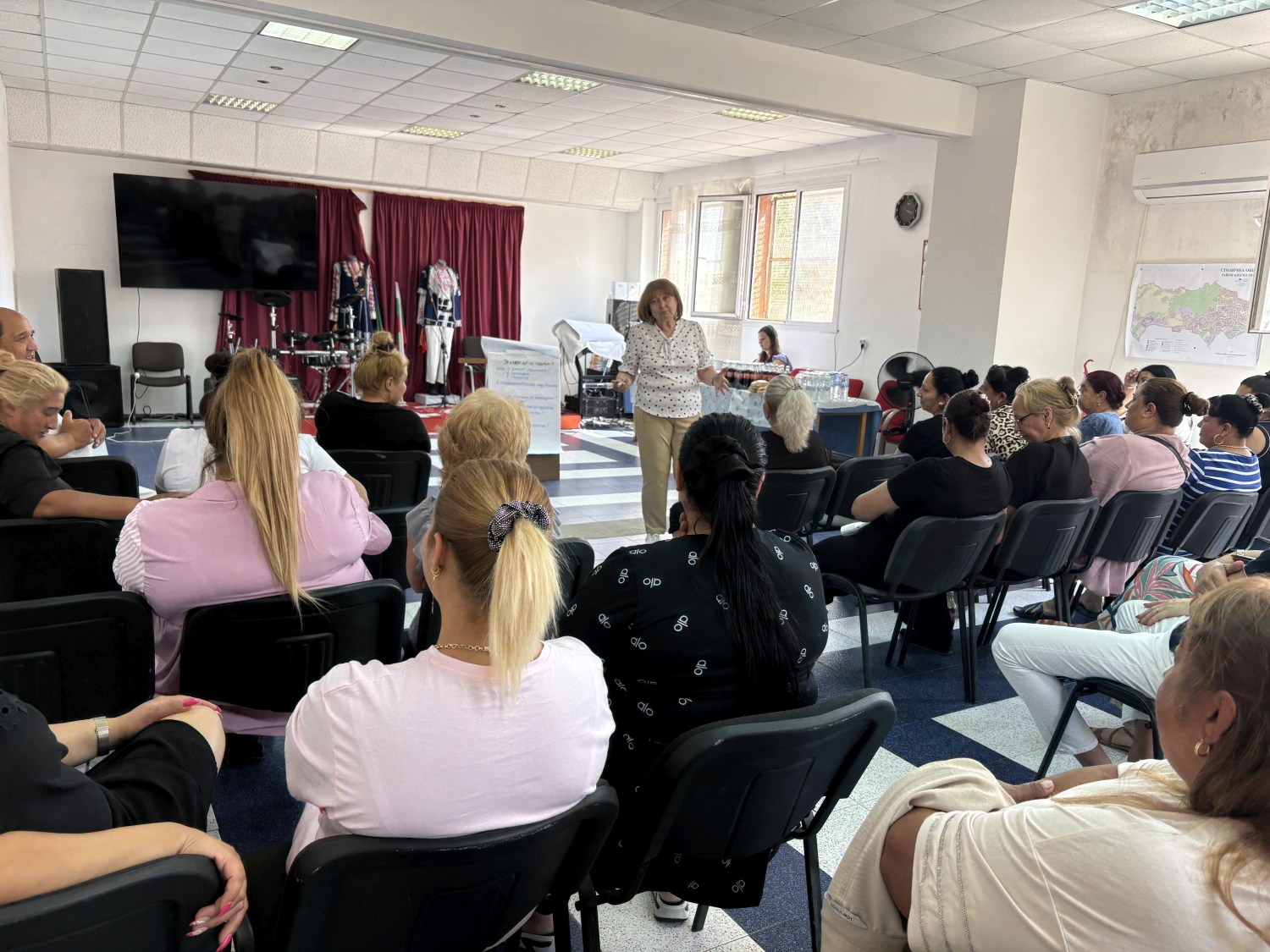
One of the main topics was the difficulty of balancing childcare responsibilities with participation in community activities. Everyday commitments and caregiving responsibilities often leave women with limited time and opportunities to engage in initiatives aimed at community development.
Participants also highlighted the lack of mutual trust and divisions within the community. These factors make collective action more difficult and undermine residents' ability to establish shared priorities and advocate for their common interests.
Other important concerns included living conditions, basic infrastructure and access to healthcare. Administrative difficulties, particularly those related to address registration, were also raised. These obstacles can create additional barriers to accessing essential services and exercising civic rights.
The education of children and young people was another key topic. Participants discussed education not only as an individual opportunity for development, but also as an essential foundation for a better future for the entire community.
What are the next steps?
The two meetings demonstrated that the challenges Roma women face are interconnected. Social norms, administrative obstacles, limited access to services and insufficient opportunities for participation affect not only women's individual lives but also the development of their communities.
Based on the experiences shared and the discussions held, participants identified several important areas for future action:
- Supporting women as active community representatives – encouraging their participation in community initiatives and decision-making processes.
- Building dialogue and cooperation – creating mechanisms for communication between residents, institutions and local leaders.
- Improving access to essential services – addressing barriers to education, healthcare and administrative services.
- Supporting children and families – investing in spaces and opportunities for development, social interaction and support.
- Building trust and strengthening community mobilisation – encouraging cooperation among residents and bringing people together around shared goals.
The project is funded by the European Union. Citizens, Equality, Rights and Values (CERV) programme. Project ID: 101252779